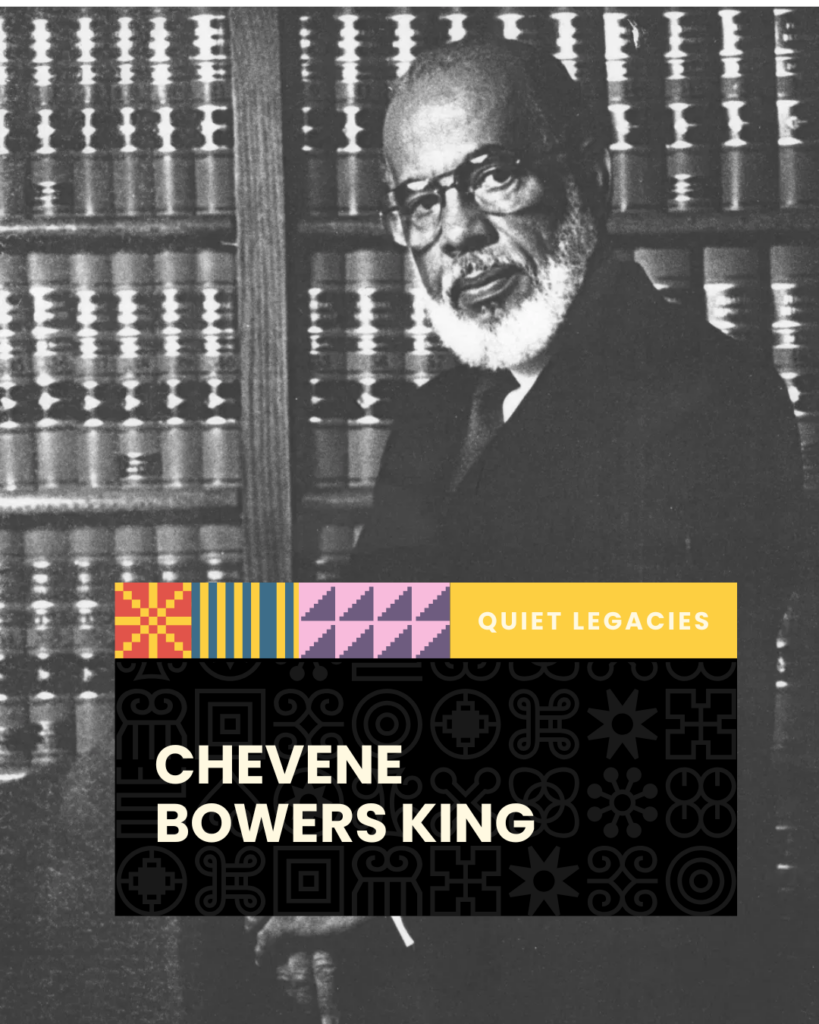

Every February, we celebrate the giants of the civil rights movement, the names etched into monuments and textbooks. But justice was also built by those who worked quietly, persistently, and often alone. This Black History Month, AVLF honors five legal pioneers whose courage made justice accessible for families and communities who had long been shut out of the system. Our series, Quiet Legacies, is a reminder that the foundation of equal justice was not built in a single moment. It was laid case by case, courtroom by courtroom, by extraordinary people who refused to accept the world as it was.
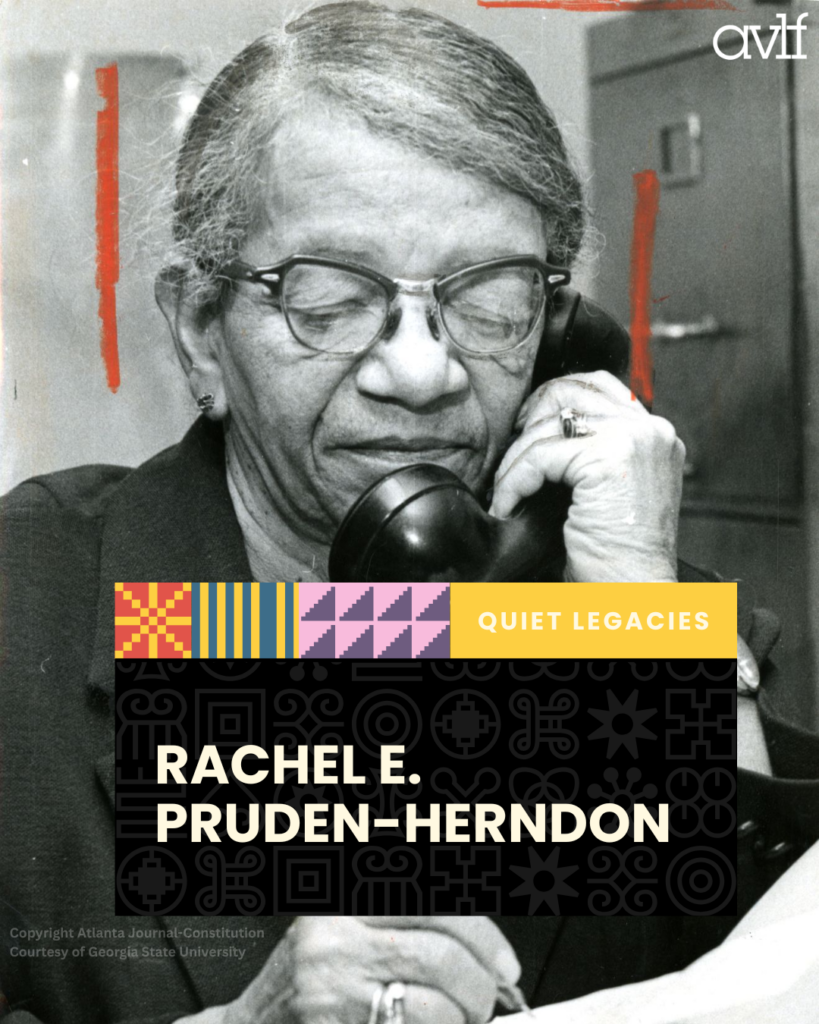
A trailblazer for African-American women in the legal profession, particularly in the segregated South
Rachel E. Pruden-Herndon became the first Black woman admitted to the State Bar of Georgia in 1942, then the first from Georgia to practice before the U.S. Supreme Court in 1956. As a municipal court judge appointed in 1965, she opened doors for families seeking justice in a system that had long excluded them. Her legacy reminds us: legal access begins with those brave enough to demand a seat at the table.
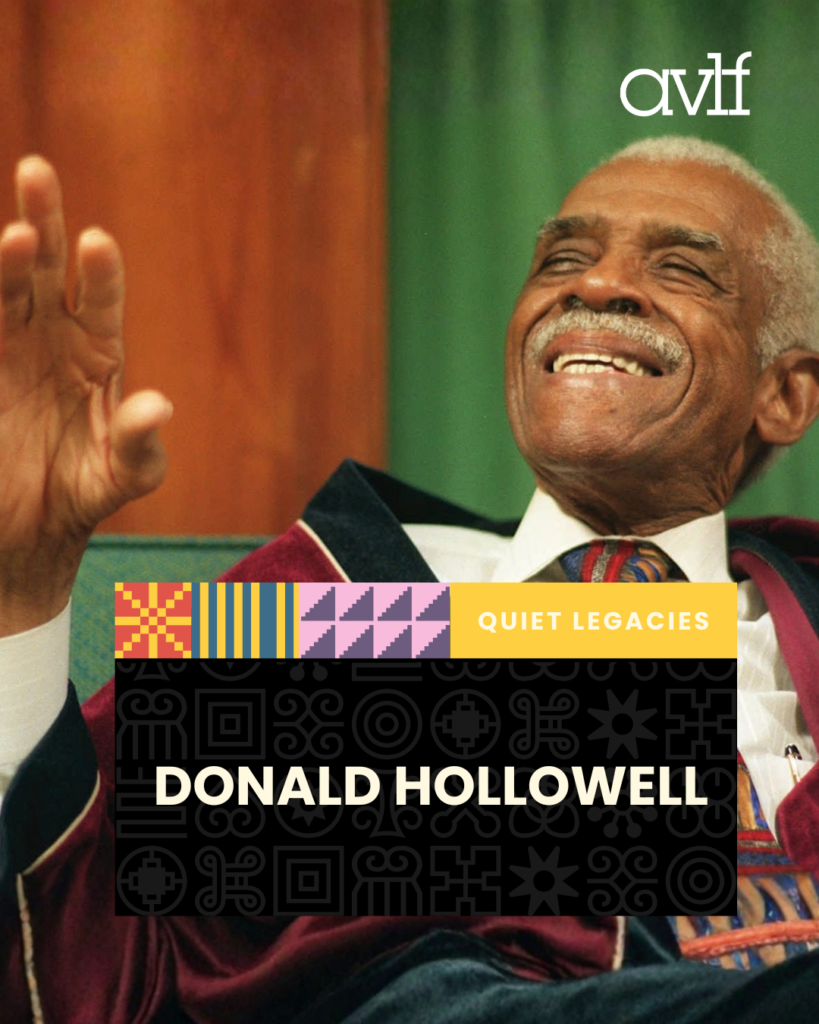
“When I remember the days of the civil rights movement, there is one person who must be recognized. Attorney Donald Lee Hollowell”
They called him “Mr. Civil Rights” for good reason. Donald L. Hollowell was Georgia’s chief civil rights attorney who fought across the state to desegregate schools, universities, and public transit. He freed Martin Luther King Jr. from prison, saved a 15-year-old from execution, and desegregated the University of Georgia. For families denied justice, he was often their only hope. The attorney who would take the case when no one else would. His legacy is legal advocacy rooted in relentless commitment to equality.
“Throughout my life, I have found that there is always somebody who would be the miracle-maker in your life if you but believe.”
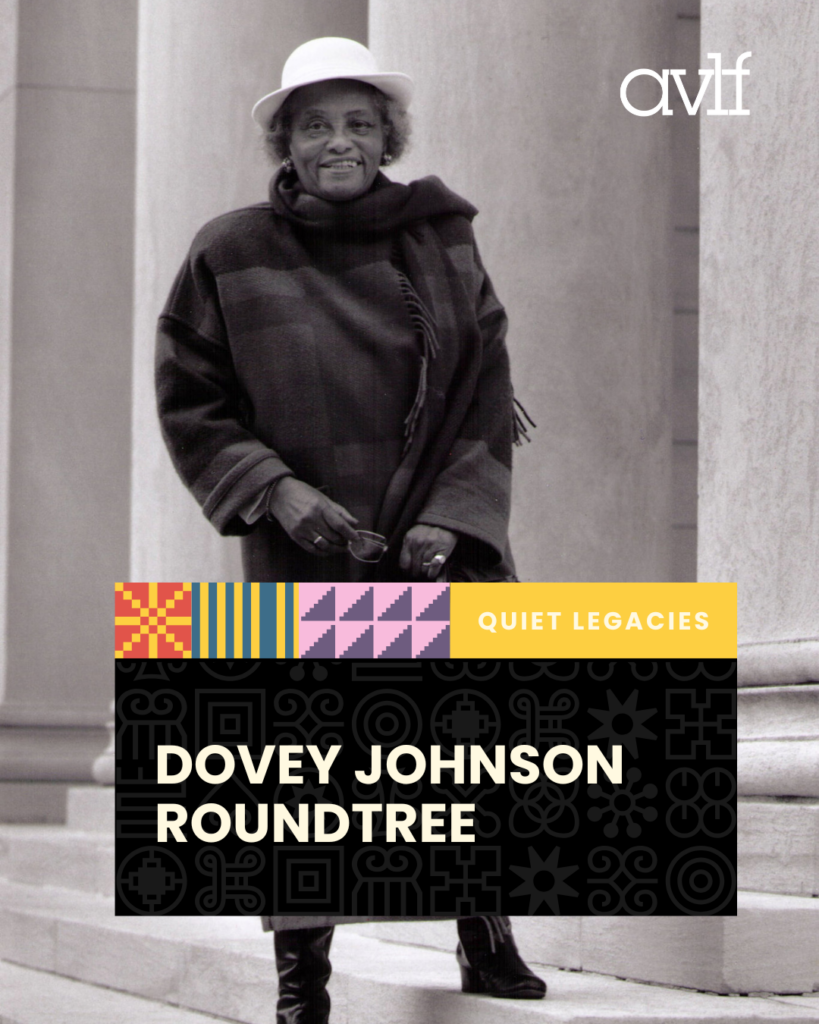
“We’ll find a way, even where there is no way.” – Dovey Johnson Roundtree
She found ways throughout her extraordinary life as a Women’s Army Auxiliary Corps officer, ordained minister, and civil rights attorney. In 1955, she won Sarah Keys v. Carolina Coach Company before the Interstate Commerce Commission, dismantling “separate but equal” in interstate travel. Dovey believed children were in danger from violence and family problems and continued speaking out for their welfare even after retiring from law in 1996. She defended the vulnerable, championed families in her family law practice, and proved that access to justice requires both courage and compassion.
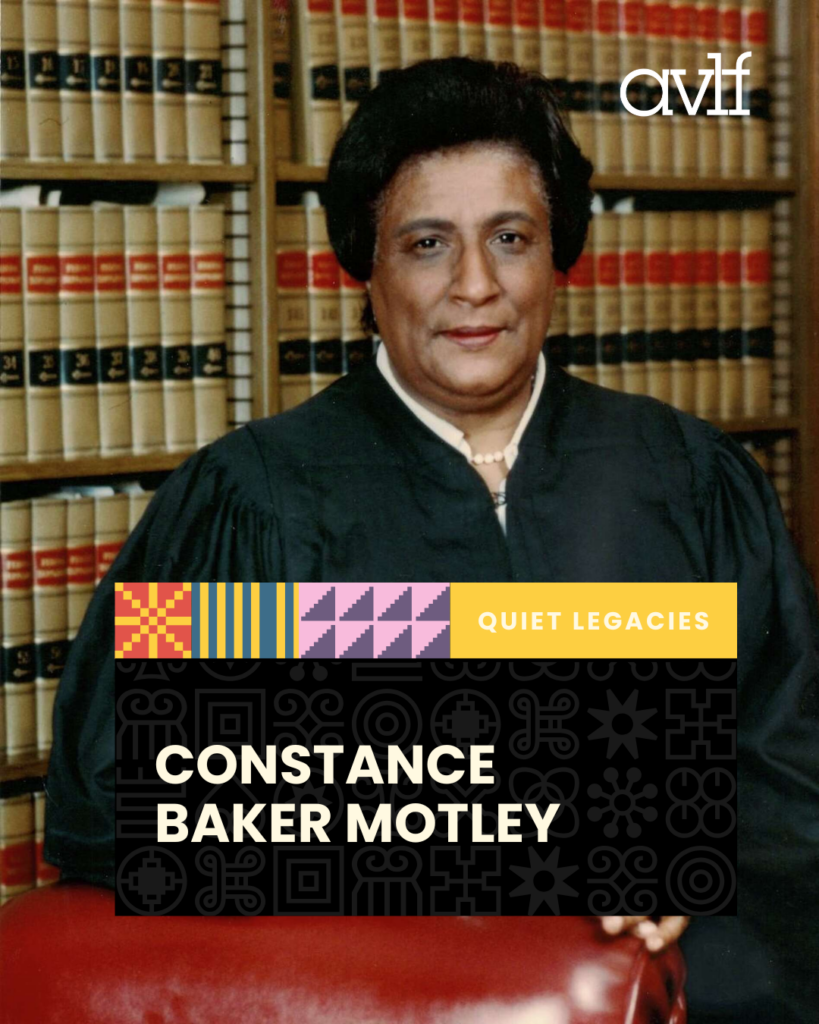
She taught me and others of my generation that law and courts could become positive forces in achieving our nation’s high aspiration — Equal Justice Under Law.”
-Ruth Bader Ginsburg
A legal strategist who rewrote American history. Constance Baker Motley was the first Black woman to argue before the U.S. Supreme Court, winning 9 of 10 cases. She wrote the original complaint in Brown v. Board of Education and fought tirelessly to integrate universities across the South, ensuring families’ children could access quality education. As the first Black woman appointed to the federal judiciary in 1966, she continued championing justice for over 2,500 cases. Her work opened pathways to opportunity that transformed generations of families.
His life’s work was ensuring legal access for families and communities who had been systematically denied it.
The only Black attorney in southwest Georgia for years, C.B. King stood alone against all white judges and juries, defending Freedom Riders, the Albany Movement protesters, and Dr. Martin Luther King Jr. When Sheriff Cull Campbell brutally assaulted him with a cane in 1962 for defending civil rights, his bloodied image made national headlines, exposing the violence faced by those seeking justice. He mentored generations of law students and ran for Congress and Governor to increase Black voter registration. His life’s work was ensuring legal access for families and communities who had been systematically denied it.